HVAC and Air Duct Mold Removal in Pasadena, CA
Air duct mold removal in Pasadena needs a component-by-component plan. Ask which parts need cleaning, replacement or mechanical repair.
- Component-specific scope
- Cleaning and repair boundaries
- Questions before work starts
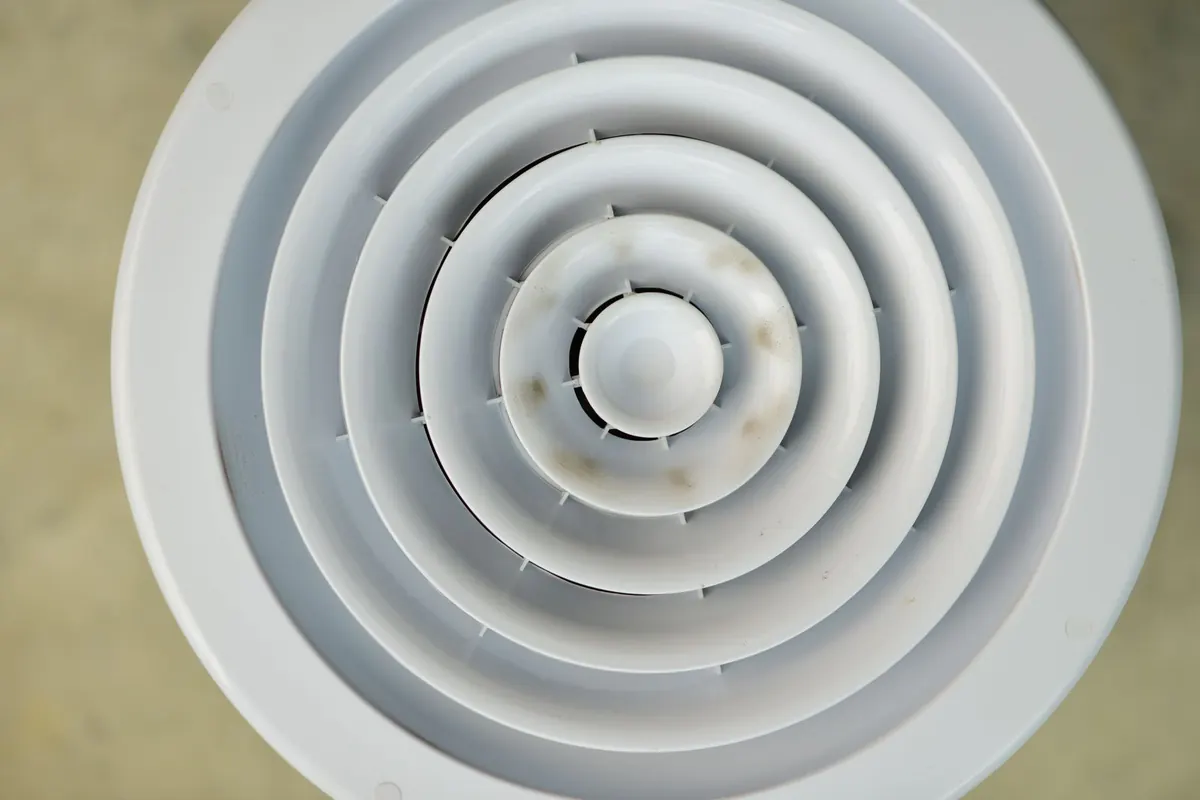
Air Duct Mold Removal and HVAC Cleanup in Los Angeles County
Your plan needs clear distinctions between mechanical repairs, routine duct cleaning and removing mold.
Your ducts are part of an assessment that also covers the air handler, condensate line, evaporator coil, drain pan and blower. Dust and discoloration by themselves do not prove mold growth.
Your written scope of work should identify affected materials, access points and exclusions. A register-only job differs from work throughout the HVAC system.
- Supply and return air openings
- Duct interiors and insulation
- Coils and furnace cabinets
- Nearby walls and HVAC closets

How to Choose Your HVAC Help in Pasadena
Changes to the Scope
Agree how newly discovered damage will be documented and approved before additional work.
Access Methods
Find out the approach for reaching hidden sections and sealing any newly created access openings.
Relevant HVAC Experience
Find out about work with ducts of your material and equipment of your type. Seek references for projects like yours.
Mechanical Repair Responsibility
Identify the person responsible for checking drain function, equipment faults and ventilation needs.
What to Report About HVAC Equipment in Los Angeles County
Report what changed, noting its location and timing.
Mold in AC Unit Components
If you notice standing water inside the pan or moisture by the condensate line, report your observations.
Mold in Air Ducts
Request pictures showing suspected growth where sections are hidden from your view inside the room.
Dark Marks on Registers
According to CDC, you cannot judge mold risk by color. Dark spotting needs assessment.
Stains Around an HVAC Closet
Report water stains, peeling paint or damp drywall beyond the equipment cabinet.
Preparing for Your HVAC Assessment in Pasadena
As you prepare for access, avoid disturbing or opening affected parts.
Call (844) 352-3560- Avoid Disturbance. Keep fans and compressed air pointed away from vents, and do not brush growth.
- Arrange Leak Repair. Avoid wet electrical equipment. Request help with halting ongoing water entry.
- Identify System Controls. Let the assessor know whether one unit uses your thermostat or the equipment is shared.
- Record the Starting Condition. Record when you first observed visible damage and take pictures without entering the affected area.
- Report Recent Water Damage. Prevent mold growth by drying water-damaged areas and belongings within 24 to 48 hours, as EPA recommends.
How Much Does HVAC Mold Removal Cost in Pasadena?
First compare affected system parts, then look at prices. The categories published here are not separate costs to add up for your job; they overlap.
HVAC mold, including air ducts
$3,000 to $10,000 per jobSource: Fixr, Mold Remediation Cost (checked 2026-10-23)Mold remediation in air ducts
$1,000 to $5,000 per jobSource: Fixr, Air Duct Cleaning Cost (checked 2026-10-23)Mold in vents with no duct involvement
$100 to $500 per jobSource: Fixr, Mold Remediation Cost (checked 2026-10-23)What Changes the Scope in Pasadena
- Independent clearance testing
- Which HVAC parts are contaminated
- Duct length, access and material
- Drain pan leaks or condensation
- Duct or insulation replacement
HVAC Costs: Published Range Information
Published national cost guides are the source of these ranges, rather than an inspection of your property. Following an on-site assessment, the property price should be explained to you before any work begins.
Ask about cost: (844) 352-3560California Insurance and HVAC Mold Questions
Confirm coverage with your insurer for each part of the damage you reported before you expect your policy to pay.
Cause of the Loss
Clarify your policy's treatment of an abrupt leak compared with ongoing condensation or maintenance trouble.
Rental Notices
Under California's housing law, visible mold found by a health officer or code enforcement officer can make a rental substandard. Renters can contact their local health or code enforcement department to ask for an inspection.
HVAC Claim Limits
Ask about deductibles, mold sublimits and any separate restriction on equipment repair.
Property Disclosures
California's Toxic Mold Protection Act includes a landlord written-disclosure section (Health and Safety Code 26147). By its own wording it applies only after the state adopts mold exposure standards, and the state health department has said it could not set them.
Pasadena Guide to HVAC Mold Removal Procedures
Base your sequence of work and completion criteria on the assessment's scope.
Assess HVAC Components
Document the moisture source and square footage of the affected area while using appropriate protective equipment.
Set Containment
Detail any need for a containment barrier alongside negative air pressure and poly sheeting. The term HEPA air scrubber refers to an air filtration device.
Remove Unsalvageable Material
Plan tear out and drywall removal where needed before final surface cleaning.
Clean Retained Components
Assessed methods may include a HEPA vacuum and damp cleaning of suitable non-porous surfaces.
Dry and Coordinate Repairs
Leaving the water problem unresolved allows mold to return. Replacement of materials must follow confirmation of drying.
Verify Before Restart
Removal of containment must follow the completed post-remediation check. Specify who authorizes system restart after repairs.
Duct Treatment Questions Before You Approve
Before permitting biocides or sealants, EPA advises you to understand the proposed uses. Inquire:
- What product is proposed, and why is it needed?
- For your specific duct material, is use permitted under its label?
- What does the product labeling say occupants must do for precautions?
- How will you finish physical cleaning ahead of any antimicrobial treatment?

Discuss HVAC and Air Duct Mold Removal in Pasadena
Phone at any hour. Your call reaches a HVAC and air duct mold removal specialist who hears your concerns and explains the process ahead.
HVAC Worksite Concerns in Greater Los Angeles
Look beyond the visible growth during assessment, accounting for occupants and surrounding conditions.
Sensitive Occupants
CDC notes mold can trigger allergy and asthma symptoms in some people. People with weak immune systems, asthma or lung disease are more at risk.
Disturbance During HVAC Work
Contaminated equipment may release mold spores upon opening. Keep the work area clear of people.
Hidden Moisture
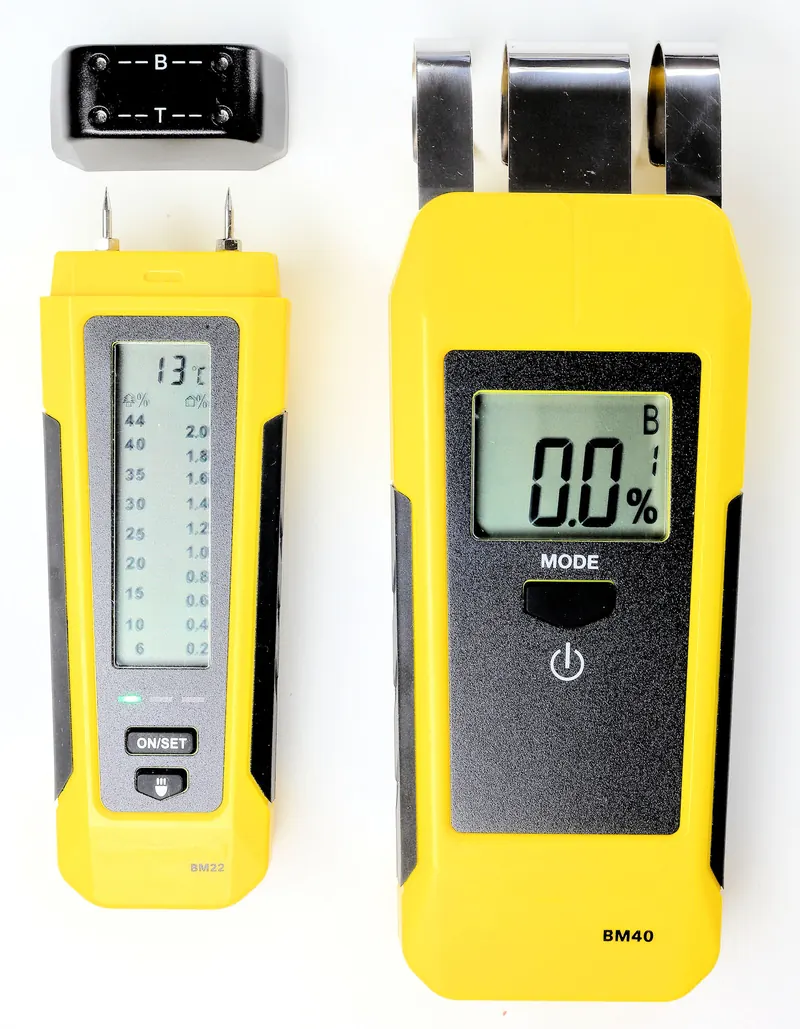
Register dryness alone cannot tell you whether materials nearby have dried. Use moisture readings to assess concealed dampness.
Can you clean it yourself? The EPA advice on homeowner cleanup under about 10 square feet does not authorize DIY work on HVAC contamination. Get professional assessment when systems are involved.
Deciding About HVAC Materials in Los Angeles County
What you can clean varies with the material and its condition. According to EPA, replace insulation in ducts if it is moldy or wet.

Non-Porous Parts to Assess
- Metal registers and unlined ducts
- Accessible pans and equipment cabinets
Porous Materials to Assess
- Moldy duct insulation for replacement
- Affected drywall, flexible duct and ceiling tile
- Wood is porous, but sound wood framing can potentially be cleaned and dried
Repair After Remediation
- Failed drain components
- Duct sealing for sections where leaks were found
- Replacement insulation and wall finishes
Los Angeles County HVAC Scheduling Considerations
Request milestones based on access, decisions about repairs and verification.
- Access to duct runs: Permission to use shared spaces, ceiling openings or access to the attic may require advance arrangements.
- Replacement components: Before scheduling later trades, check that matching insulation, drain parts or duct sections are available.
- Dryness and handoff: Rebuilding or restarting your system depends on moisture readings plus the completion checks you agreed to.
Understanding HVAC Humidity and Odor in Greater Los Angeles
Smell alone will not identify the location of mold. Make a note of which rooms have changed odors and whether you noticed the mustiness alongside a leak.
EPA recommends relative humidity below 60 percent, ideally 30 to 50 percent. A dehumidifier helps manage humidity but does not replace moisture correction.
Scope and Repair Planning
Use the full HVAC and air duct mold removal guide to prepare questions about the assessment, scope and next steps for your property.
Read the HVAC and air duct mold removal guidePlanning HVAC and Air Duct Mold Removal in Pasadena
Your property condition cannot be inferred from housing figures that describe the surrounding area. Use assessment findings to organize access, records and repairs for moisture problems.
Census ACS 2024 5-year (tables B01003, B25003, B25035, B09021 and B25024). Area estimates do not establish conditions at an individual property.
In Pasadena, renters occupy 58 percent of occupied housing units. Ask which rooms need to be accessible and where belongings can go during the assessed work.
The median year built for housing units in this community is 1961. This does not establish your building age or condition. Record visible damage, note when you first saw it and share any available leak repair records.
Single-family units make up 49 percent of all housing units in this community. Before work starts, discuss access to the affected room and any adjoining space that needs inspection.
In this community, 30 percent of residents aged 65 or older live alone. Ask which rooms need to be accessible and where belongings can go during the assessed work.
Planning Your Property Assessment
- Areas under about 10 square feet can often be cleaned by the homeowner, while larger areas, HVAC systems, sewage, or contaminated water call for professional help.
Local HVAC and Air Duct Mold Removal Information for Pasadena
You can ask about mold cleanup in nearby communities and ZIP codes during the call.
HVAC and Air Duct Mold Removal in Locations Near Pasadena
Frequently Asked Questions About HVAC and Air Duct Mold Removal in Pasadena
Is cleaning all vents necessary when one shows mold?
Finding one mold-affected register cannot define what work every duct needs. Request findings showing which sections are affected and the reasons other components require work. Your proposal should separate verified findings from inaccessible areas, helping you judge whether another inspection is necessary before you approve work throughout the system.
What records should you receive at completion?
Keep repair invoices, the final scope and any test reports alongside moisture readings and component-labeled photos showing conditions before and after. Request identification of equipment excluded and areas still unresolved. Use these records to pursue future problems and explain completed work, without having to rely on a vague assertion that duct cleaning occurred.
Who should you choose to conduct clearance testing?
Where clearance testing forms part of your scope, have an independent assessor perform testing instead of the company doing removal. Before the job starts, agree to post-remediation verification criteria and decide what follows if results call for additional work. Ask which components will be assessed and if the price covers coming back for another visit.
Are both mechanical repairs and rebuilding covered by the scope?
Avoid assuming that condensate repairs, a new AC unit or wall closure come with cleanup. Ask who takes responsibility for each stage, with distinct descriptions for rebuilding, mechanical work and removal. Make sure you know whether access openings, replacement finishes and disposal are included before comparing proposals with matching limits.
Can you remain in your Pasadena home while HVAC work proceeds?
Clarify how living spaces will be kept separate, how you will access essential rooms and what heating or cooling arrangements apply during shutdown. Before scheduling, talk through your household requirements. Staying elsewhere may be part of the property-specific plan; a closed room or a filter alone is not a safety promise.
Is air sampling necessary before removal in Los Angeles County?
With visible mold growth present, you usually do not need sampling, says EPA. Ask how a suggested test could alter a decision. When a substance cannot be identified with certainty, laboratory analysis may be necessary. Air sampling does not replace inspection, and there is no federal indoor mold limit against which to declare your home compliant.
Questions About HVAC and Air Duct Mold Removal in Los Angeles County?
For calm and useful guidance about HVAC and air duct mold removal, you can reach someone by phone 24 hours a day.